
Before selling your iTunes gift card, the first step to safety is verifying its details thoroughly. Check the card’s balance using the official provider’s tool to confirm it’s unused and has the full value you’re claiming. Avoid scratching off the PIN code until you’re ready to complete the transaction, as sharing this code prematurely can lead to unauthorized use without payment. Also, never share sensitive card information—like the PIN or serial number—with anyone who hasn’t confirmed they’re a legitimate buyer.
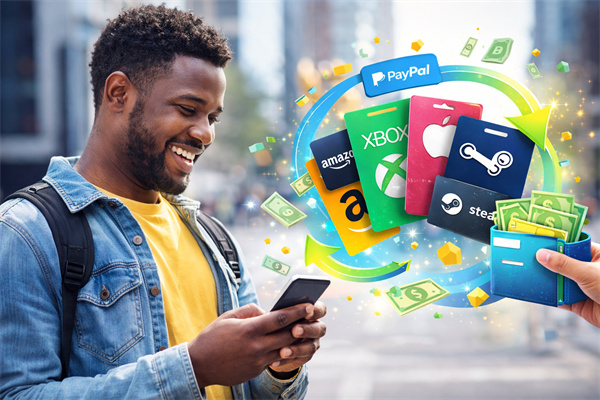
Choosing a trusted platform is critical to avoiding scams. Opt for marketplaces that offer buyer-seller protection, such as escrow services that hold payment until the buyer confirms the card works. These services ensure neither party can take advantage of the other; if the buyer can’t use the card, you don’t get paid, and if you send a valid card, the buyer can’t refuse payment. Steer clear of random websites or social media messages asking for upfront fees or promising unusually high payouts, as these are often fraudulent.
Clear communication and documentation protect you in case of disputes. When agreeing to a sale, confirm the buyer’s payment method is secure (e.g., bank transfer, verified digital wallets) and that payment is received before sharing the full card details. Keep screenshots of the card’s balance, the transaction agreement, and payment confirmation for your records. If a buyer claims the card is invalid, ask them to provide proof (like a screenshot of an error message) and use the platform’s dispute resolution process to resolve the issue fairly.
Be wary of common red flags that signal scams. These include buyers who pressure you to act quickly, refuse to use escrow, or ask for additional information beyond what’s necessary for the sale. Also, avoid selling to buyers who offer to pay in non-traditional currencies or ask you to send the card to multiple email addresses. Sticking to these guidelines helps ensure your sale is safe, secure, and free from fraudulent activity.